Before deciding on contract manufacturing, it is essential to carefully evaluate both its advantages and disadvantages. This article examines both sides in detail.
Advantages
1. Cost Savings
By choosing contract manufacturing over building your own facility, you can achieve significant cost savings on equipment, labor, and infrastructure.

2. Expertise and Quality
Contract manufacturers have specialized equipment and trained personnel, resulting in higher quality products.
3. Flexibility
Production volumes can be adjusted based on demand fluctuations, providing important advantages for seasonal products.
4. Speed to Market
Working with a manufacturer that already has production infrastructure significantly reduces time from development to sales.
Disadvantages
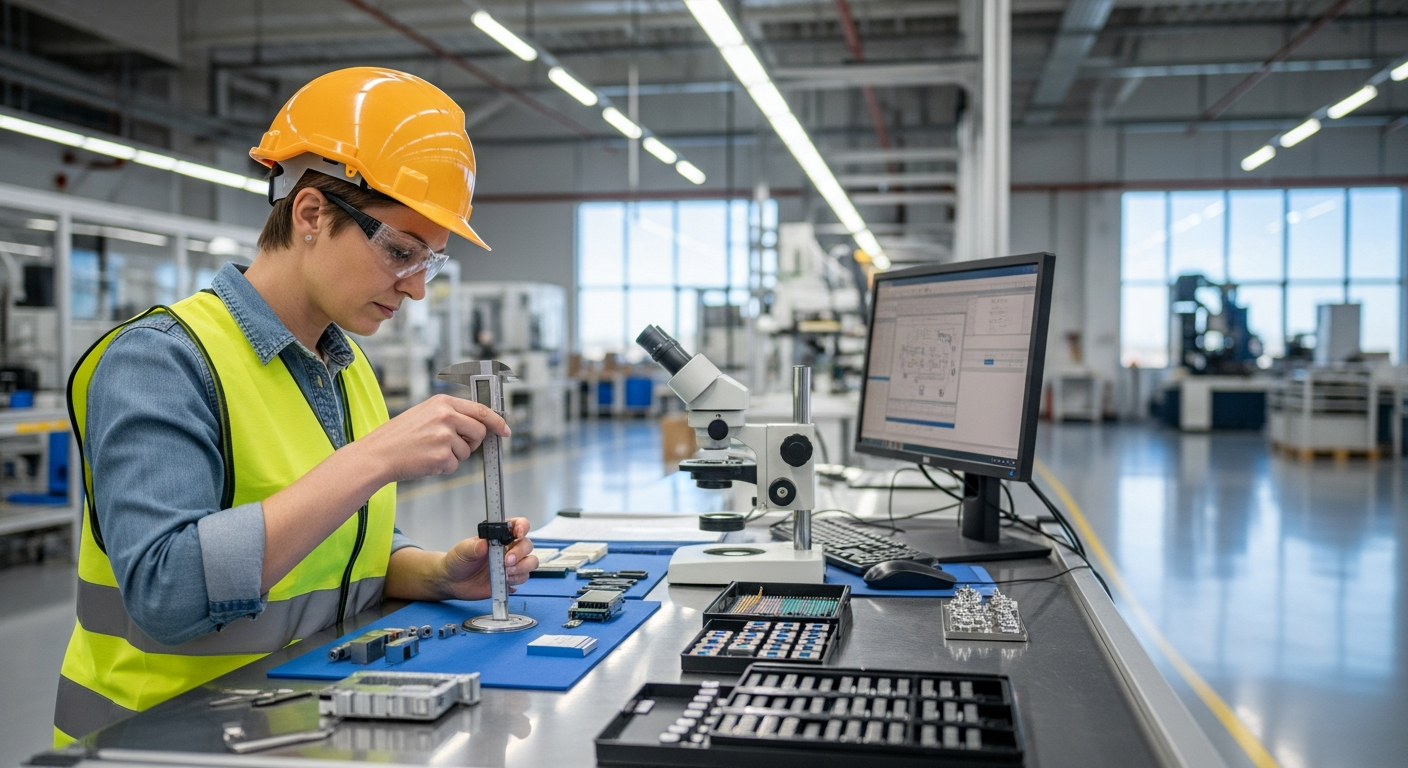
1. Quality Control Challenges
Not being able to directly intervene in the production process can lead to quality control difficulties.
2. Dependency Risk
Relying on a single contract manufacturer creates supply chain risks.
3. Intellectual Property Risks
Sharing product designs and formulas with the manufacturer may pose intellectual property risks.
4. Communication Issues
Language, cultural, and timezone differences can cause communication problems in international manufacturing.
For foundational knowledge, see What is Contract Manufacturing?. To protect your business, learn How to Prepare a Manufacturing Contract.